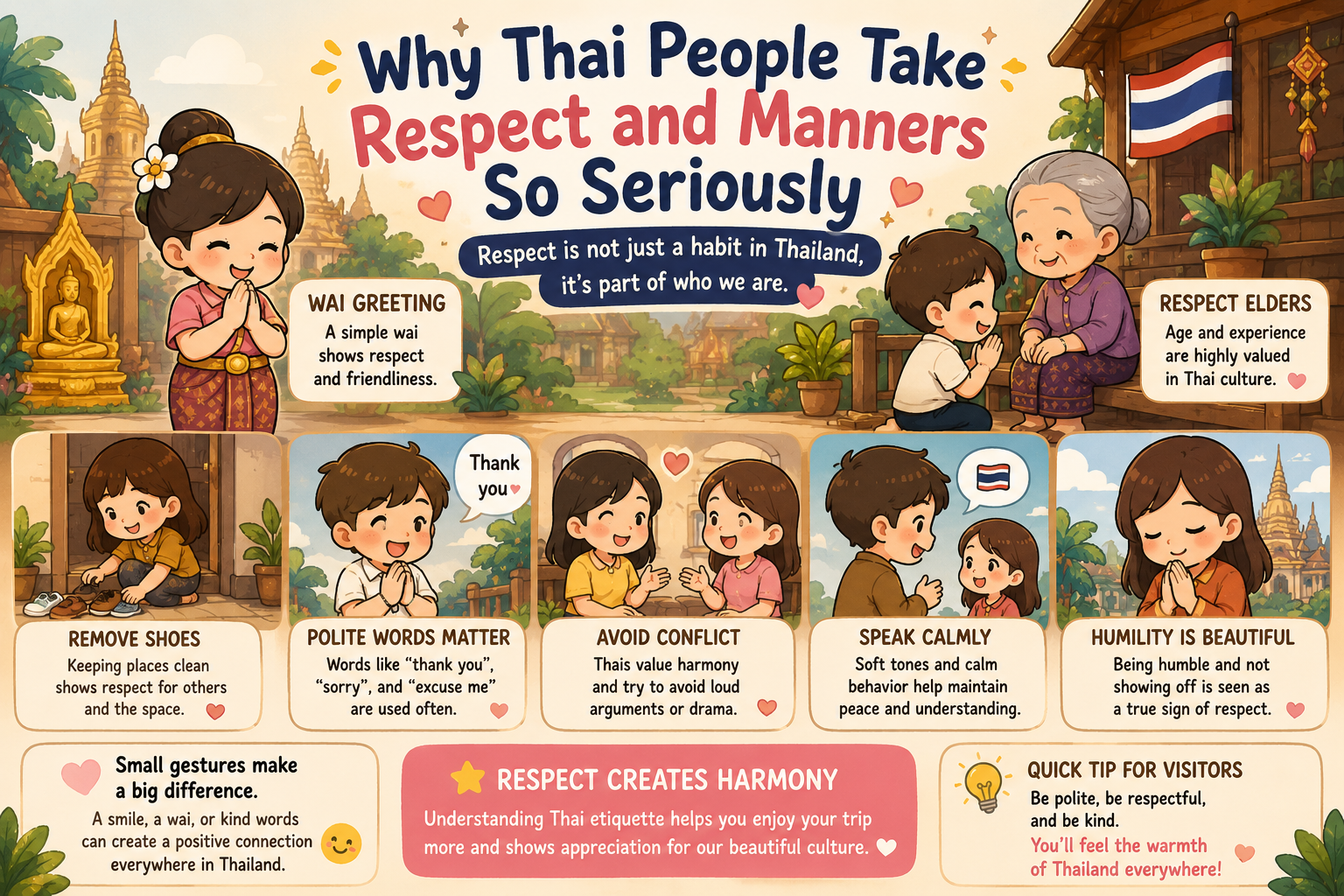
Why Thai People Take Respect and Manners So Seriously
Thai Manners Explained: Why Respect Matters So Much in Thailand
One of the first things many visitors notice in Thailand is how much attention is given to politeness.
A softer tone of voice. A small wai. Taking your shoes off before entering someone's home. Showing extra respect toward older people. Trying not to create an argument in public.
Individually, these actions might seem small.
Together, they reveal something much bigger about Thai culture.
Respect in Thailand isn't simply about knowing which greeting to use or memorizing a list of etiquette rules. It's connected to ideas about social harmony, consideration for others, age, status, religion, and avoiding unnecessary embarrassment or conflict.
Understanding these ideas can make everyday interactions in Thailand much easier, especially for first-time visitors.
1. Respect Is Built Into Everyday Thai Life
Thai manners aren't reserved for formal occasions.
You'll encounter them during ordinary interactions with family members, teachers, colleagues, restaurant staff, monks, elderly people, and strangers.
Respect can be communicated through:
- Tone of voice
- Choice of words
- Body language
- Greetings
- How disagreements are handled
- How people behave around elders
- Behavior in religious spaces
You don't need to understand every unwritten rule as a visitor.
What matters more is recognizing that
small gestures can carry meaning.
2. The Wai Is More Than a Thai Greeting
The wai is probably Thailand's most recognizable gesture.
It is performed by placing the palms together in front of the body, often accompanied by a slight bow of the head.
But the wai isn't simply Thailand's version of a handshake.
It can communicate:
- Greeting
- Respect
- Gratitude
- Apology
- Acknowledgment
You may also notice that not every wai looks exactly the same.
The height of the hands and depth of the bow can vary depending on context and the relationship between people.
Do Tourists Need to Wai Everyone?
No.
Foreign visitors aren't expected to understand the full social etiquette surrounding the wai.
If someone greets you with a wai, politely returning it is often appropriate, but you don't need to wai every shop employee, waiter, taxi driver, or person you encounter.
A friendly smile and polite sawasdee are perfectly useful tools too.
The goal isn't to perform Thai culture perfectly. It's to interact respectfully.
3. Age and Social Relationships Matter
Age traditionally carries significant social importance in Thailand.
Older people are commonly shown additional respect, particularly within families, schools, workplaces, and communities.
You may notice younger people speaking or behaving differently toward someone considerably older.
Thai language itself also reflects relationships and levels of politeness.
Words such as Pี่ (Phi) and น้อง (Nong) can be used when addressing people older or younger than oneself in familiar social contexts.
This doesn't mean every interaction in Thailand operates according to a rigid hierarchy.
Modern Thai society is diverse and constantly changing.
But understanding the importance traditionally placed on age and social relationships helps explain many everyday interactions visitors observe.
4. Why Thai People Often Avoid Public Confrontation
This is one of the biggest cultural differences some travelers encounter.
In cultures where direct confrontation is common, raising your voice might be seen as demonstrating how serious you are about a problem.
In Thailand, it can have the opposite effect.
Public shouting, aggressive confrontation, or deliberately embarrassing another person may make resolving the situation considerably harder.
Thai social interaction often places importance on maintaining composure and avoiding situations that cause unnecessary embarrassment.
That doesn't mean Thai people never disagree.
They do.
It means disagreements may sometimes be handled more indirectly or quietly than visitors expect.
For Travelers
If something goes wrong:
Stay calm.
Explain the problem clearly.
Be polite.
You can be firm without becoming aggressive.
Give people room to solve the problem.
Turning your volume up usually doesn't unlock Thailand's hidden customer-service menu.
5. The Idea of “Saving Face”
You've probably heard the expression “saving face” when reading about Asian cultures.
In simple terms, it relates to maintaining dignity, social standing, and avoiding public embarrassment.
In Thailand, publicly humiliating someone, aggressively correcting them, or forcing them into an uncomfortable confrontation can create tension far beyond the original problem.
This also works both ways.
Many people will try to avoid embarrassing you publicly as well.
For travelers, there's an easy lesson:
If you need to complain, correct someone, or resolve a misunderstanding, doing it calmly and privately when possible can make the conversation much smoother.
6. Your Head and Feet Have Different Cultural Meanings
Thai etiquette also appears in the way different parts of the body are traditionally viewed.
The head is regarded as the highest and most respected part of the body.
Because of this, avoid casually touching another person's head, particularly someone you don't know.
The feet, meanwhile, are traditionally considered the lowest part of the body.
Avoid:
- Pointing your feet toward Buddha images
- Pointing the soles of your feet directly at people
- Putting your feet on tables
- Using your feet to move or indicate objects unnecessarily
Visitors don't need to spend their entire holiday monitoring the diplomatic activity of their toes.
Just being aware of the basic principle is enough.
7. Removing Your Shoes Is About Respect and Cleanliness
You'll frequently see shoes lined up outside entrances in Thailand.
Shoes are normally removed before entering someone's home and are also removed in designated areas of temples. Certain accommodations, massage shops, offices, cafés, and small businesses may have the same custom.
Fortunately, Thailand has developed an extremely sophisticated tourist communication system:
a giant pile of shoes beside the door.
If everyone else's shoes are outside, check whether yours should join them.
When you're unsure, simply ask.
8. Respect Is Especially Important at Temples
Temple etiquette deserves particular attention because Buddhist temples aren't simply tourist attractions.
They're active religious spaces.
People visit them to pray, make merit, participate in ceremonies, meditate, and practice their religion.
Visitors should:
- Dress appropriately
- Remove shoes where required
- Keep voices low
- Respect photography restrictions
- Avoid climbing on religious structures
- Behave respectfully around Buddha images
- Follow signs and instructions
You don't need to be Buddhist to visit a Buddhist temple.
You simply need to remember that you're entering someone else's sacred space.
Visiting a Thai Temple for the First Time?
Learn about Buddhism, temple etiquette, sacred spaces, and the traditions you may encounter while traveling around Thailand.
9. Politeness Appears in the Thai Language Too
Visitors quickly encounter two tiny words that carry a surprising amount of weight:
ครับ (khrap)
and
ค่ะ (kha)
They're commonly added to sentences to make speech more polite, with usage traditionally associated with the speaker's gender.
That's why you'll frequently hear phrases such as:
Sawasdee khrap / kha – Hello
Khob khun khrap / kha – Thank you
Learning even a few polite Thai expressions can make everyday interactions easier.
You don't need perfect pronunciation.
Making a genuine effort is often appreciated.
10. Tourists Aren't Expected to Know Everything
This might be the most useful thing to remember.
Nobody expects a visitor who arrived yesterday to understand every layer of Thai social etiquette.
You'll probably make small mistakes.
You might forget to remove your shoes.
Your wai might look slightly confused.
You might pronounce a Thai phrase so creatively that it briefly becomes a different language.
That's okay.
Pay attention to the people around you, follow posted rules, stay polite, and ask when you're unsure.
Respect matters more than performing every custom perfectly.
Respect Makes Thailand Easier to Understand
Thai manners can initially look like a collection of unrelated rules.
Don't touch heads.
Remove shoes.
Stay calm.
Respect elders.
Wai appropriately.
Don't point your feet toward sacred objects.
But underneath many of these customs is a common idea:
Be aware of how your behavior affects the people around you.
Once you understand that, Thai etiquette becomes considerably easier to navigate.
And it also reveals something valuable about traveling itself.
Learning another culture isn't about memorizing enough rules to avoid making mistakes.
It's about noticing that the people around you may communicate respect differently than you do.
Recognize that difference, and Thailand starts making much more sense. 🇹🇭
Want to Avoid Common Cultural Mistakes in Thailand?
From temple behavior to everyday etiquette, discover the things travelers should know before exploring Thailand.
Make sure you are prepared
Discover Everything Koh Samui Has to Offer
Koh Samui is far more than just beautiful beaches, it’s a complete island experience. From world-class restaurants and local street food to exciting tours, vibrant nightlife, peaceful retreats, and unique cultural attractions, Samui has something for every traveler.
Whether you’re here to relax, explore, invest, or even relocate, you’ll find trusted businesses, hand-picked experiences, and insider tips right here on My Visit Thailand.
Restaurants in Samui
Find the best restaurants in Koh Samui

Nightlife in Koh Samui
Discover Koh Samui's vibrant nightlife
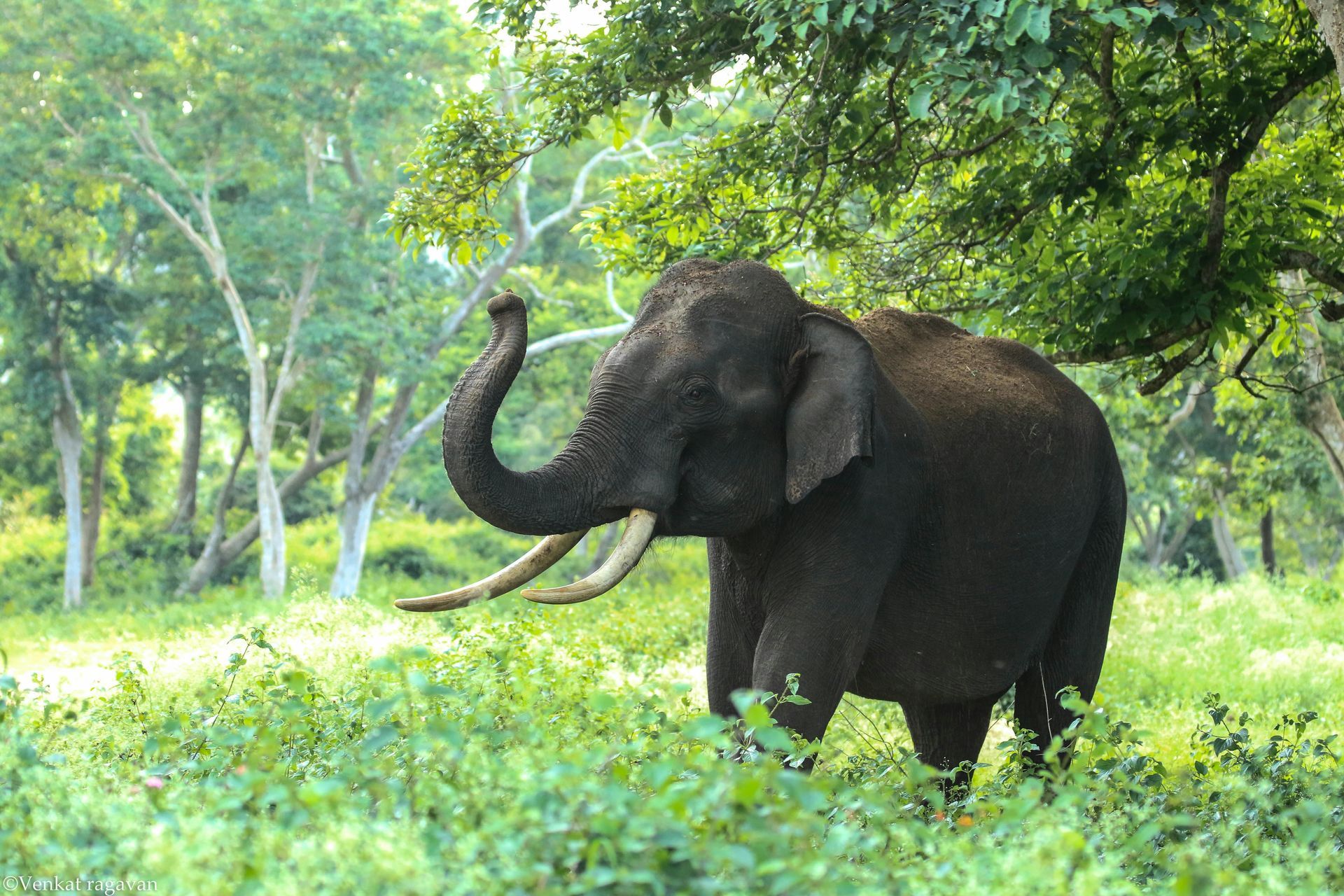
Tours in Koh Samui
Discover the best tours in Koh Samui
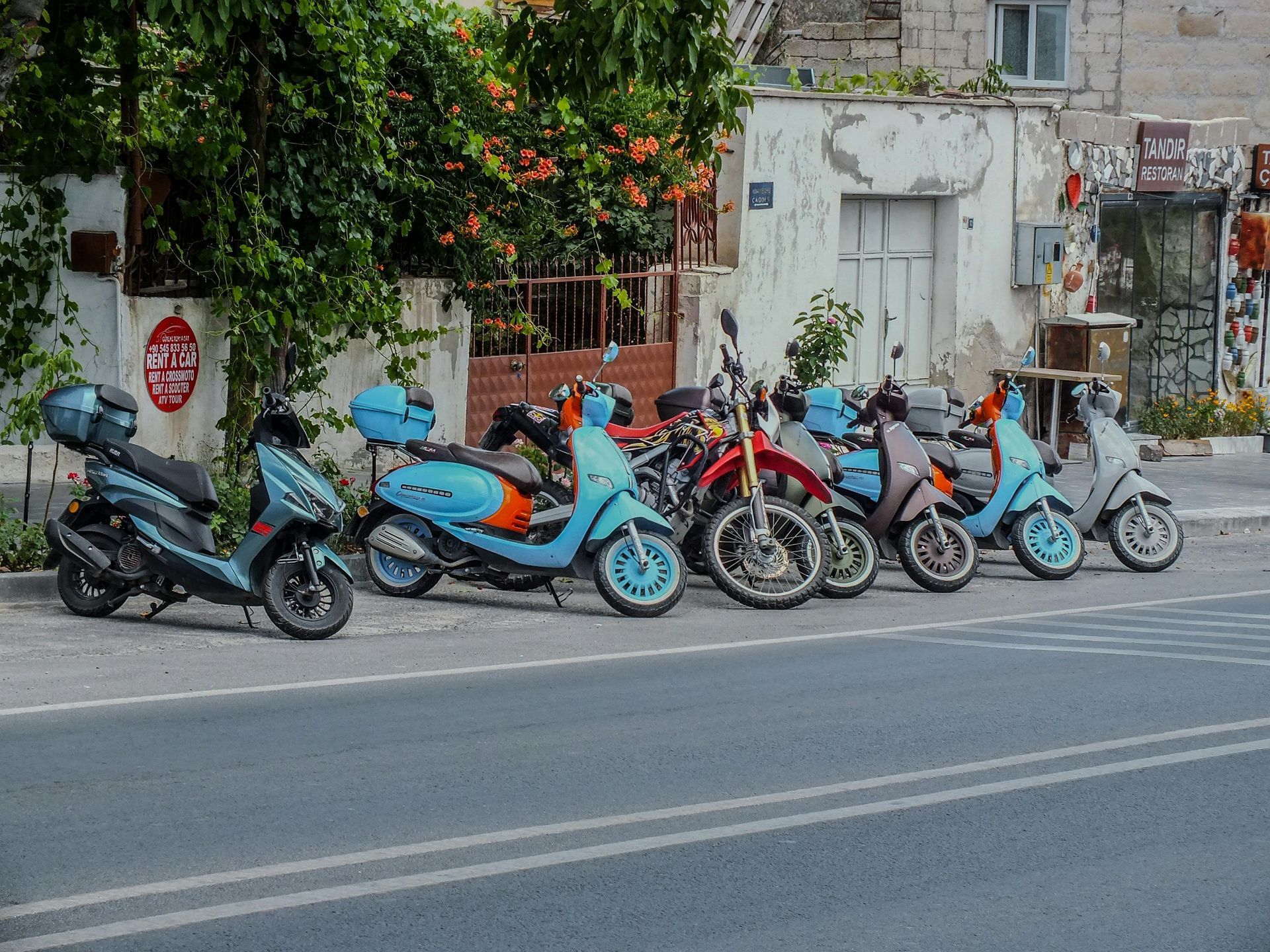
Car/Motorbike rentals
Find car and motorbike rentals in Koh Samui