A Beginner's Guide to Buddhism in Thailand (2026 Guide)
A Beginner's Guide to Buddhism in Thailand (2026 Guide)
Buddhism is deeply woven into everyday life in Thailand.
You can see its influence almost everywhere, from magnificent golden temples in Bangkok to tiny village monasteries, monks walking through quiet streets at sunrise, Buddha images inside local businesses, and families visiting temples during important holidays.
For travelers, understanding even a few basic ideas about Thai Buddhism can completely change the way you experience the country.
You don't need to be Buddhist or know anything about religion before visiting.
A little cultural understanding is enough to help you appreciate why temples matter, what monks represent, how to behave respectfully, and why Buddhism remains such an important part of Thai society.
Buddhism in Thailand
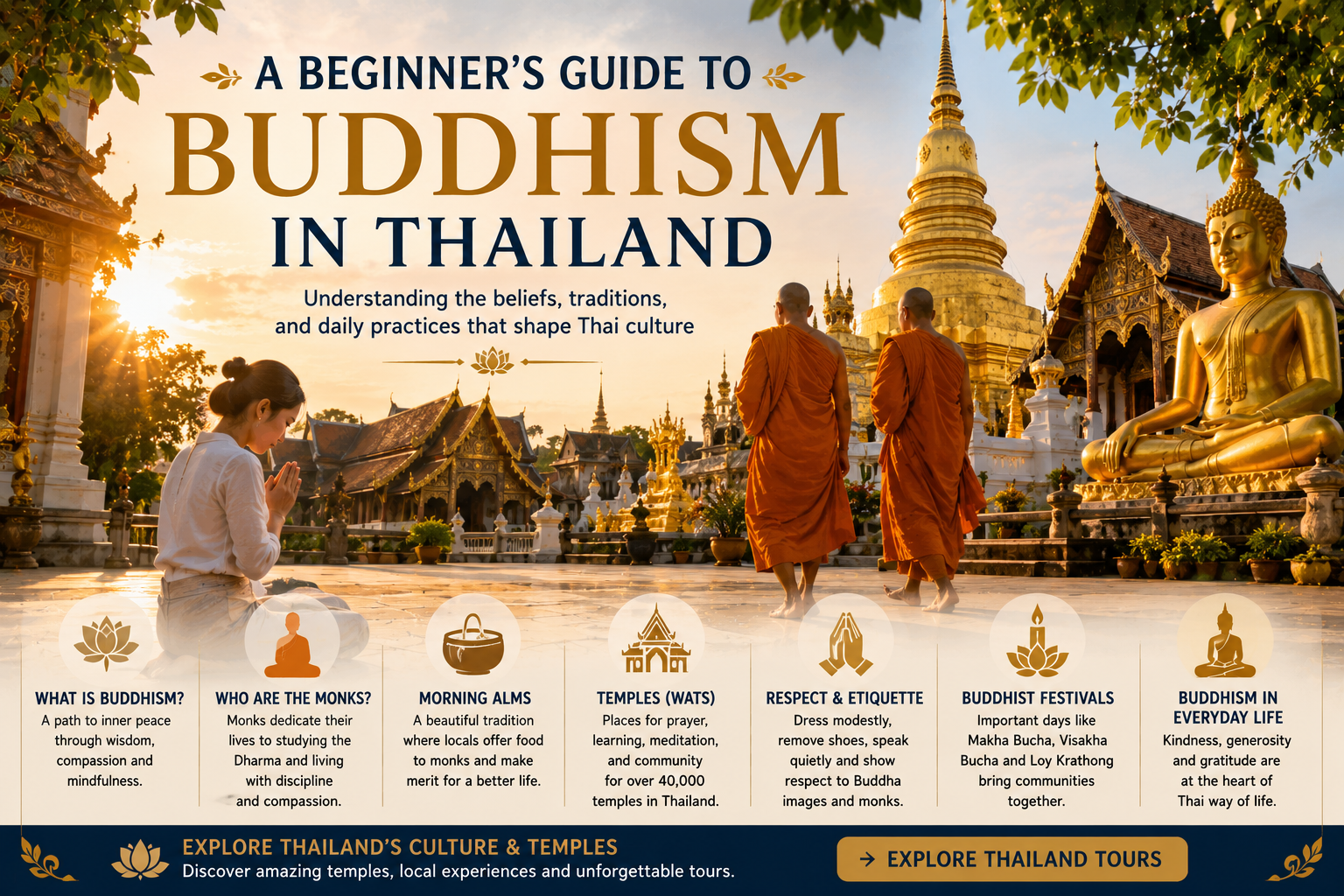
The dominant Buddhist tradition in Thailand is Theravada Buddhism, which has shaped Thai culture, art, architecture, customs, and social traditions for centuries.
At the heart of Buddhism are teachings concerned with understanding suffering, developing wisdom, behaving ethically, and cultivating qualities such as compassion and mindfulness.
For many Thai people, Buddhism extends beyond formal religious ceremonies.
Its influence can be seen in ideas surrounding:
- Compassion
- Generosity
- Respect
- Merit-making
- Mindfulness
- Family traditions
- Community life
This is why you'll encounter Buddhist customs even when you're nowhere near a famous temple.
Why Are There So Many Temples in Thailand?
Travel around Thailand for a few days and you'll quickly notice something:
Temples are everywhere.
Known in Thai as wats, Buddhist temple complexes can be found in enormous cities, tiny villages, mountains, forests, and even on islands.
But a wat isn't simply a tourist attraction.
Temples can serve as important centers for:
- Religious ceremonies
- Meditation
- Community gatherings
- Education
- Festivals
- Funerals and other life events
- Preserving local traditions
Some of Thailand's temples are centuries old and historically significant.
Others are modern, elaborate, and surprisingly experimental in their architecture.
And some are simple neighborhood temples that tourists might walk past without realizing how important they are to the surrounding community.
Who Are Thailand's Buddhist Monks?
Monks are one of the most visible parts of Buddhism in Thailand.
You'll recognize them by their distinctive robes, commonly in shades of saffron or orange.
Monastic life involves following religious discipline, studying Buddhist teachings, meditation, and participating in the religious life of the community.
An interesting part of Thai culture is that ordination doesn't necessarily mean becoming a monk for life.
Some Thai Buddhist men ordain temporarily, sometimes for weeks or months, as an important religious and family tradition.
So the young man you see wearing monk's robes today may eventually return to ordinary civilian life.
Morning Alms Giving
Wake up early enough in Thailand and you may encounter one of the country's quieter traditions.
Monks walk through communities carrying alms bowls while local people offer food and other necessities.
This practice is known as tak bat.
For lay Buddhists, giving alms is associated with generosity and making merit.
The exchange isn't meant to function like buying food or making a normal donation.
It's a religious practice between the monastic and lay communities.
If you encounter an alms-giving ceremony:
- Observe quietly.
- Don't block the monks' path.
- Avoid turning it into a staged photograph.
- Follow local guidance if participating.
Sometimes the most respectful travel experience is simply watching.
What Does “Making Merit” Mean?
You'll hear the concept of making merit frequently when learning about Buddhism in Thailand.
Merit-making can take many forms.
People may:
- Give food to monks.
- Donate to temples.
- Help people in need.
- Support charitable causes.
- Participate in religious ceremonies.
- Practice generosity.
The idea is connected with cultivating wholesome actions and positive qualities.
Understanding merit-making helps explain many traditions that visitors encounter throughout Thailand.
What Happens Inside a Thai Temple?
Every temple is different.
Large temple complexes can contain numerous buildings, shrines and monuments, while small local temples may be much simpler.
Depending on the temple, you may encounter:
- Buddha images
- Ordination or assembly halls
- Stupas or chedis
- Murals
- Monk residences
- Meditation areas
- Bells
- Gardens
- Religious offerings
You may also see Thai people kneeling, praying, lighting incense, offering flowers, or participating in ceremonies.
Visitors are generally welcome in many temple areas, but remember:
You're entering an active religious space, not a museum set.
Thai Temple Etiquette for Tourists
This is probably the most useful section for first-time visitors.
You don't need to understand every Buddhist tradition.
You simply need to be respectful.
👕 Dress appropriately
Cover your shoulders and knees when visiting important temples.
Some major temples enforce dress codes strictly.
👟 Remove your shoes
Shoes should normally be removed before entering certain temple buildings.
Look for shoes outside the entrance if you're unsure.
🤫 Keep your voice down
People may be praying or meditating nearby.
🦶 Be careful with your feet
Feet are traditionally considered the lowest part of the body in Thai culture.
Avoid pointing the soles of your feet toward Buddha images, monks, or other people.
📸 Don't assume every photo is appropriate
Photography may be restricted in certain areas.
Avoid photographing people praying at close range without permission.
🧘 Never climb on Buddha images or religious structures
Even if you've discovered the perfect photo angle.
Sacred objects aren't photography props.
How Should You Behave Around Monks?
Visitors sometimes become nervous because they don't know the rules.
You don't need to panic every time you see an orange robe.
Just behave respectfully.
Don't touch monks without invitation, interrupt religious activities, or treat monks as tourist attractions.
There are also specific customs regarding physical contact between monks and women, particularly within Theravada monastic discipline.
If you're uncertain during a ceremony or interaction, follow the behavior of local people or ask respectfully.
What Do Buddha Images Mean?
You'll encounter Buddha images in many different positions throughout Thailand.
Standing.
Sitting.
Reclining.
Walking.
Hands positioned in different gestures.
These aren't random artistic choices.
Different postures and hand gestures can represent particular teachings, events, qualities, or episodes associated with the Buddha.
For example, the enormous Reclining Buddha at Wat Pho represents a very different context from a seated meditation image.
For visitors, you don't need to memorize every position.
What's important is understanding that Buddha images are sacred religious objects and should be treated respectfully.
Important Buddhist Festivals in Thailand
Thailand's Buddhist calendar includes several important religious days.
Among the most significant are:
Makha Bucha
Commemorates an important gathering associated with the Buddha and his disciples.
Visakha Bucha
Marks major events traditionally associated with the Buddha's life, including birth, enlightenment, and passing into final Nirvana.
Asalha Bucha
Commemorates the Buddha's first sermon.
Khao Phansa
Marks the beginning of the traditional Buddhist rains retreat.
During major Buddhist holidays, temples may host ceremonies, prayers, merit-making activities, and candlelight processions.
If your trip happens to coincide with one, visiting a temple respectfully can provide a fascinating glimpse into living Thai Buddhist tradition.
Buddhism Beyond the Temples
One of the most interesting things about Buddhism in Thailand is that you don't need to enter a temple to notice its influence.
You may see:
- Monks traveling through cities
- People giving morning alms
- Buddhist imagery in homes
- Religious festivals
- Families making temple visits
- Offerings and ceremonies
- Buddhist holidays observed nationally
Buddhist ideas have also influenced Thai social values and traditions over generations.
However, Thailand is a modern and diverse country, and individuals practice religion to very different degrees.
Not every Thai person follows the same traditions or interprets Buddhism in exactly the same way.
Are Spirit Houses Buddhist?
Those beautiful miniature shrines outside hotels, houses, shopping centers, and businesses?
They're commonly called spirit houses.
Although you'll see them throughout predominantly Buddhist Thailand, spirit-house traditions aren't simply the same thing as Buddhism.
Thai spiritual culture has developed through a mixture of influences over centuries, including Buddhist, Brahmanical/Hindu, and older local spirit beliefs.
That's one reason religion and spirituality in Thailand can appear surprisingly layered to visitors.
Curious About Thai Beliefs? → Surprising Ancient Thai Beliefs That Still Exist Today
Can Tourists Visit Buddhist Temples?
Absolutely.
Many temples across Thailand welcome visitors regardless of religion or nationality.
You don't need to participate in ceremonies.
You don't need to pray.
And you don't need to understand everything you're seeing.
Walk quietly.
Observe.
Read about the history.
Admire the architecture.
And remember that while you're experiencing a fascinating cultural attraction, someone standing a few meters away may be practicing their religion.
That little distinction makes you a much better visitor.
Buddhism and Thai Culture
Understanding Buddhism gives travelers another lens through which to experience Thailand.
Suddenly, the temples aren't simply beautiful buildings.
The monks aren't simply people in orange robes.
The early-morning offerings aren't simply interesting photographs.
They're pieces of a living tradition that has influenced Thailand for centuries.
And you don't have to be religious to appreciate any of it.
Sometimes understanding why something matters to the people around you is enough to completely change how you experience a destination.
Experience Thailand's Culture Beyond the Surface
Thailand's temples, traditions, beliefs, food, festivals, and everyday customs reveal a country much deeper than its famous beaches.
Take the time to explore them respectfully and you'll discover another side of Thailand entirely.
Make sure you are prepared
Discover Everything Koh Samui Has to Offer
Koh Samui is far more than just beautiful beaches, it’s a complete island experience. From world-class restaurants and local street food to exciting tours, vibrant nightlife, peaceful retreats, and unique cultural attractions, Samui has something for every traveler.
Whether you’re here to relax, explore, invest, or even relocate, you’ll find trusted businesses, hand-picked experiences, and insider tips right here on My Visit Thailand.
Restaurants in Samui
Find the best restaurants in Koh Samui
Nightlife in Koh Samui
Discover Koh Samui's vibrant nightlife
Tours in Koh Samui
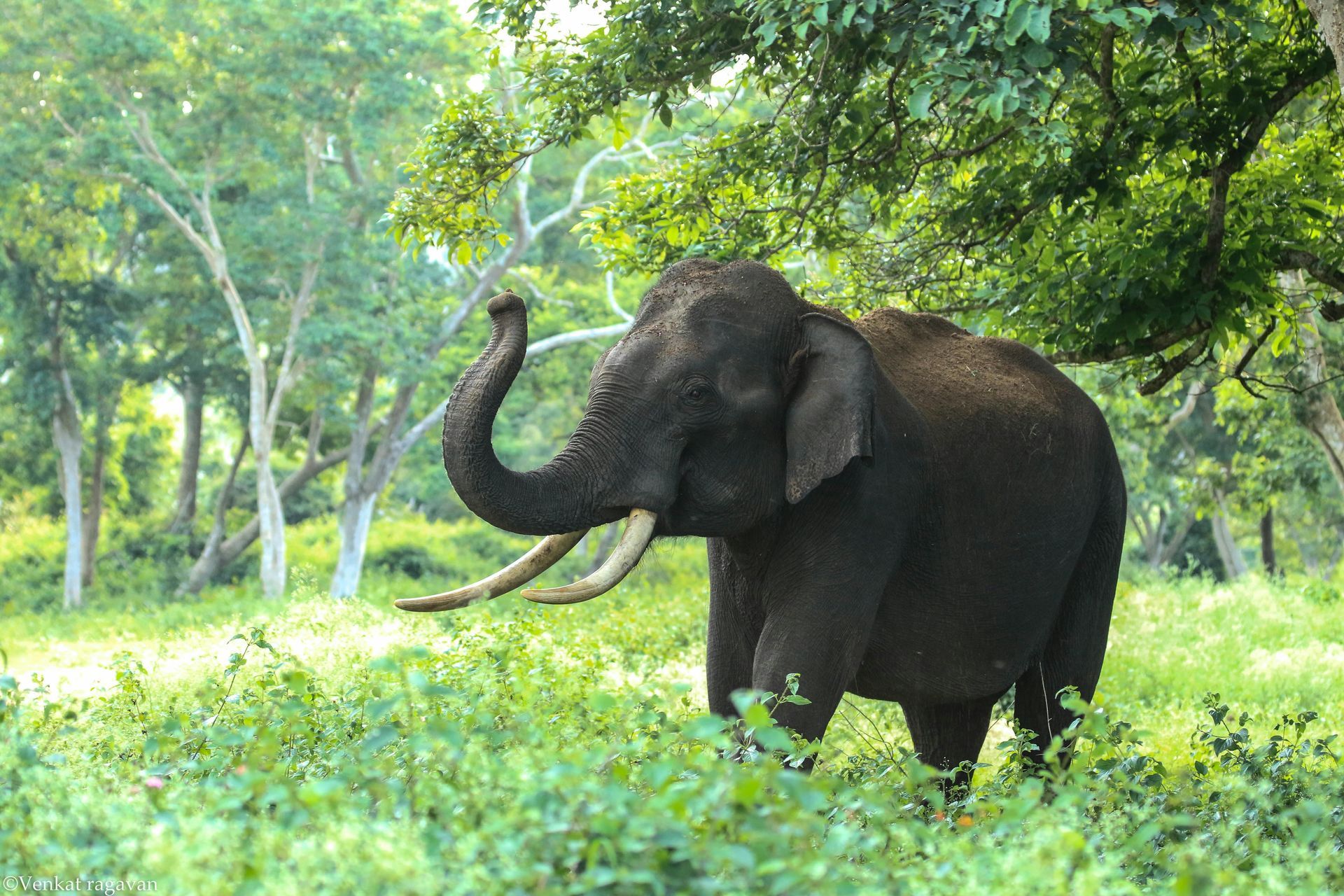
Discover the best tours in Koh Samui
Car/Motorbike rentals
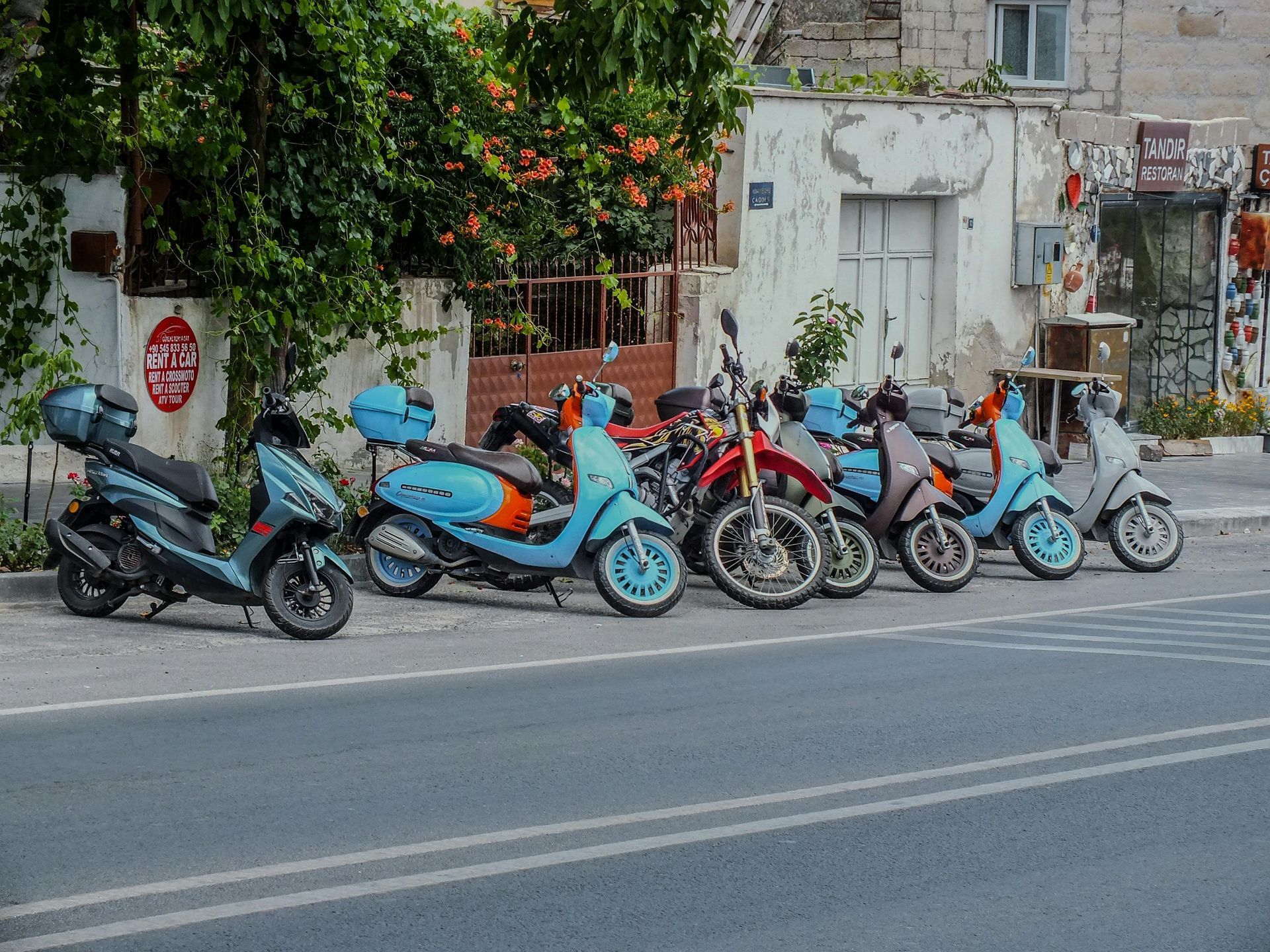
Find car and motorbike rentals in Koh Samui