
Destination Thailand Visa (DTV) 2026
Destination Thailand Visa (DTV) 2026
A Practical Guide for Digital Nomads & Long-Stay Travelers
If you’re planning to live in Thailand longer than a typical tourist stay, the Destination Thailand Visa (DTV) could be the ideal option.
Designed to attract digital nomads, remote workers, and individuals participating in Thai cultural or soft-power activities, the DTV allows eligible foreigners to stay in Thailand for extended periods with flexible entry options.
This guide explains how it works, who qualifies, and how to apply in simple, practical terms.
What Is the Destination Thailand Visa (DTV)?
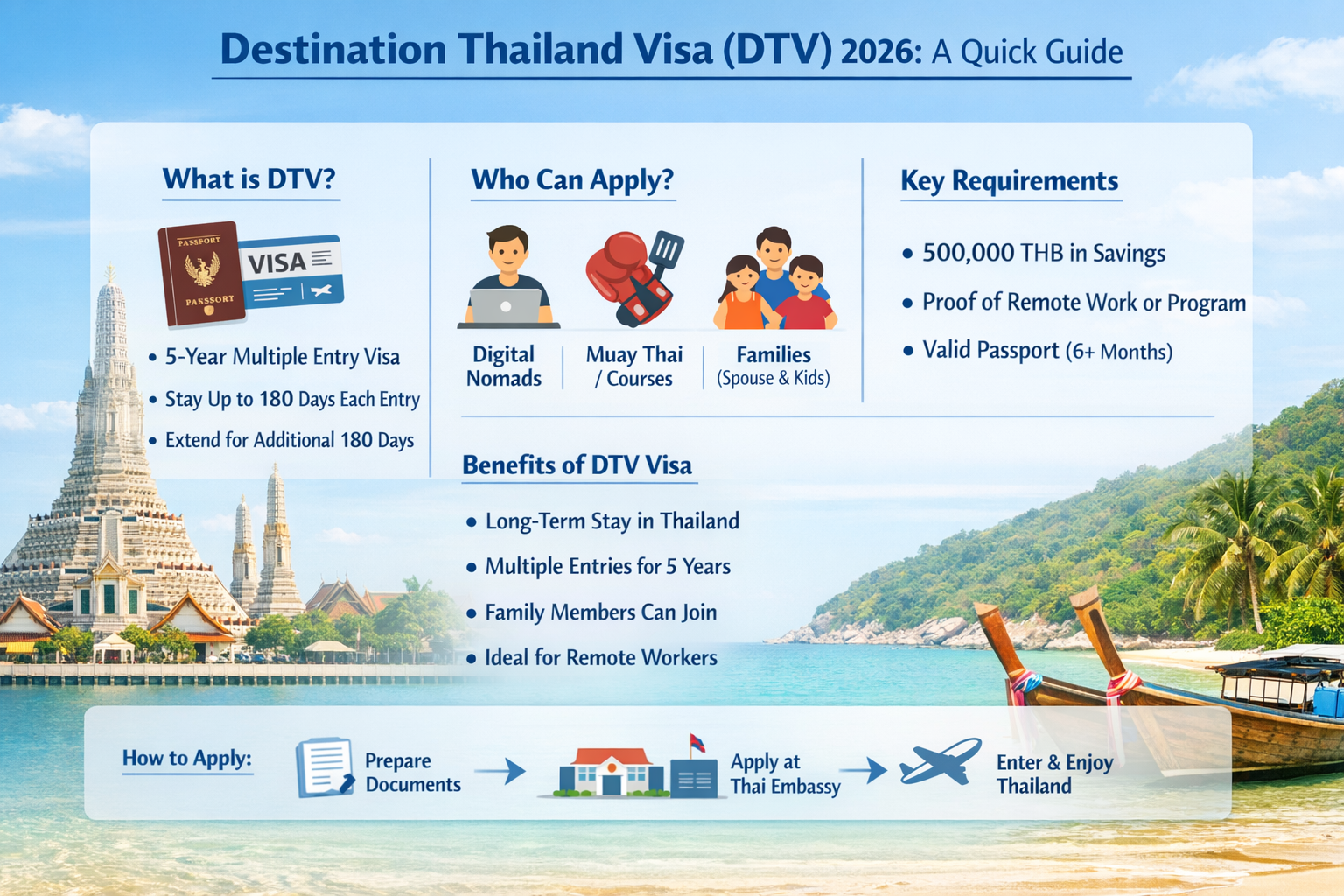
The DTV is a 5-year multiple-entry visa that allows you to:
- Stay up to 180 days per entry
- Extend once per entry for another 180 days
- Exit and re-enter Thailand freely during the 5-year validity
It is ideal for:
- Digital nomads working remotely
- Freelancers with overseas clients
- Remote employees of foreign companies
- People joining approved Thai soft-power activities (e.g., Muay Thai training, Thai cooking, cultural programs)
- Spouses and children (under 20) of DTV holders
Who Is Eligible?
To qualify, you typically need:
✔ A valid passport (at least 6 months validity)
✔ Proof of funds —
minimum 500,000 THB in your bank account (usually shown via bank statements)
✔ Evidence of remote work or participation in approved programs
✔ Clean immigration history
Important: The DTV does not automatically grant a Thai work permit. It is intended for remote work for overseas employers or businesses.
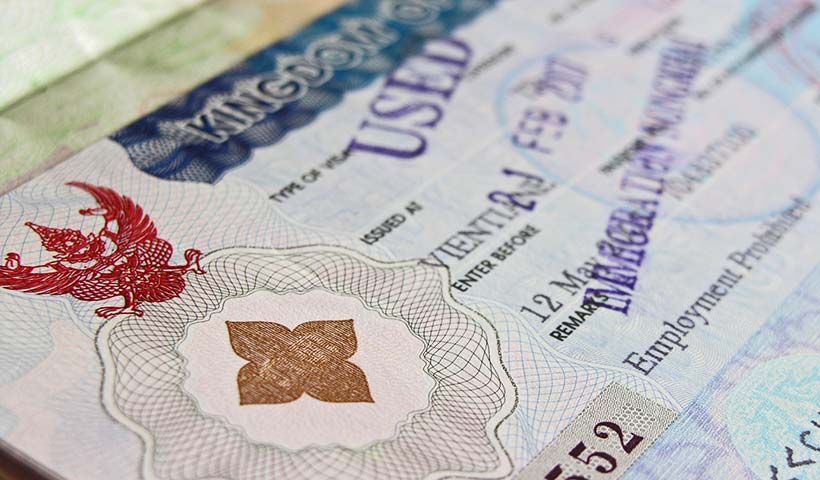
Real Example: How It Works
Example 1 – Digital Nomad
Emma is a graphic designer from Germany working for clients in Europe. She:
- Shows her freelance contracts
- Provides 3 months of bank statements showing 500,000 THB equivalent
- Applies through a Thai embassy in her country
She receives a 5-year DTV.
She enters Thailand and stays 180 days.
Before her stay ends, she extends for another 180 days.
After nearly one year, she exits to Singapore and re-enters Thailand to reset her stay period.
Example 2 – Muay Thai Student
James enrolls in a certified 6-month Muay Thai program in Phuket.
He submits:
- Acceptance letter from the training center
- Financial proof
- Passport documents
He receives DTV approval and trains in Thailand long-term without needing to apply for multiple tourist visas.
Key Benefits of the DTV
- Long-term flexibility (5 years validity)
- No need for frequent tourist visa runs
- Designed specifically for remote workers
- Family members can join
- Supports Thailand’s growing digital economy
How to Apply for the DTV
1.Prepare documents:
- Passport
- Financial proof (500,000 THB)
- Proof of remote work or program enrollment
2.Apply via a Royal Thai Embassy or official Thai e-Visa platform (depending on your country)
3.Wait for approval (processing times vary by location)
4.Enter Thailand and begin your stay
Visa fees vary depending on the country of application.
Not Sure Which Thai Visa You Need?
Make sure you are prepared
Discover Everything Koh Samui Has to Offer
Koh Samui is far more than just beautiful beaches, it’s a complete island experience. From world-class restaurants and local street food to exciting tours, vibrant nightlife, peaceful retreats, and unique cultural attractions, Samui has something for every traveler.
Whether you’re here to relax, explore, invest, or even relocate, you’ll find trusted businesses, hand-picked experiences, and insider tips right here on My Visit Thailand.

Restaurants in Samui
Find the best restaurants in Koh Samui

Nightlife in Koh Samui
Discover Koh Samui's vibrant nightlife

Tours in Koh Samui
Discover the best tours in Koh Samui
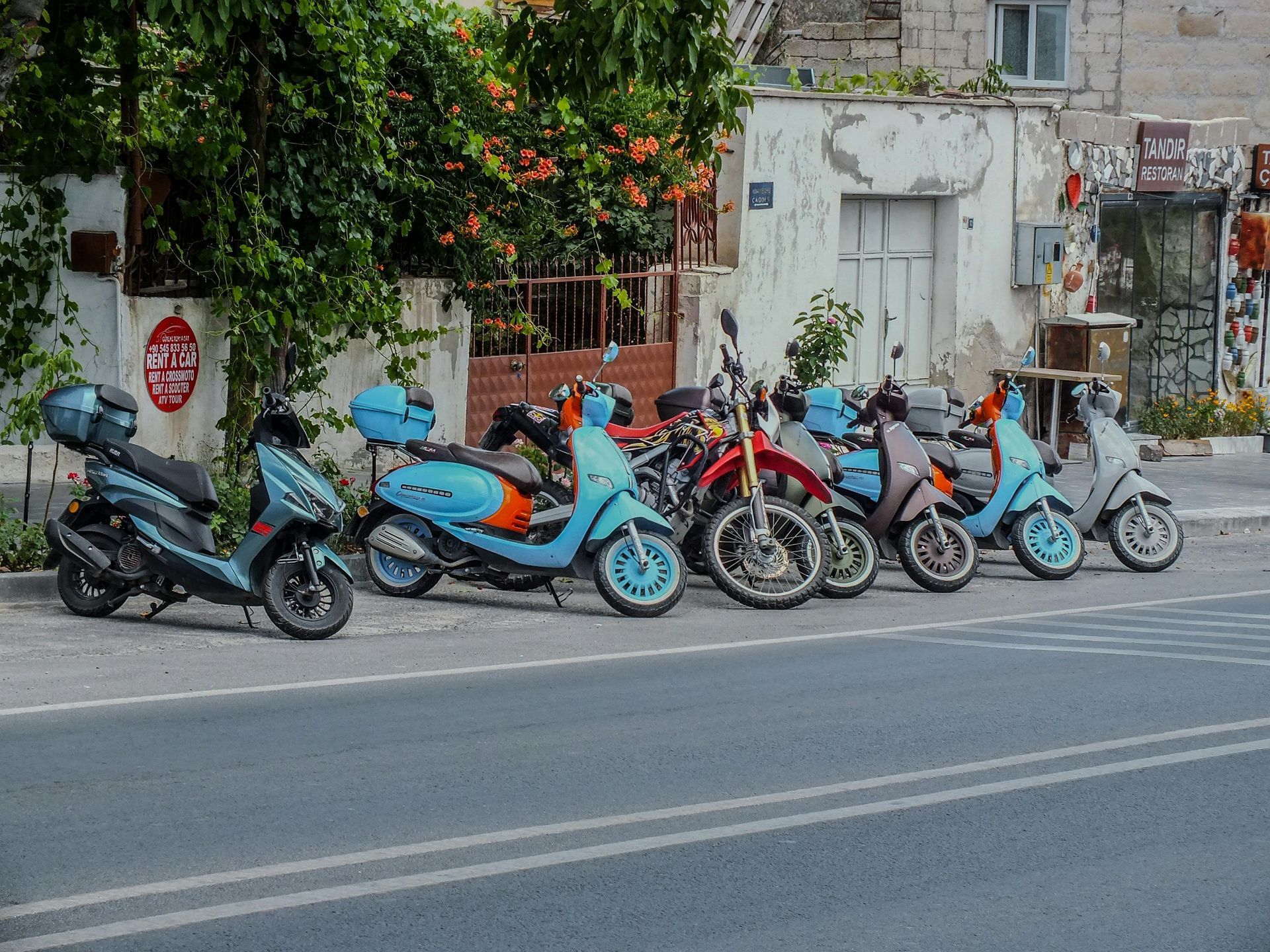
Car/Motorbike rentals
Find car and motorbike rentals in Koh Samui