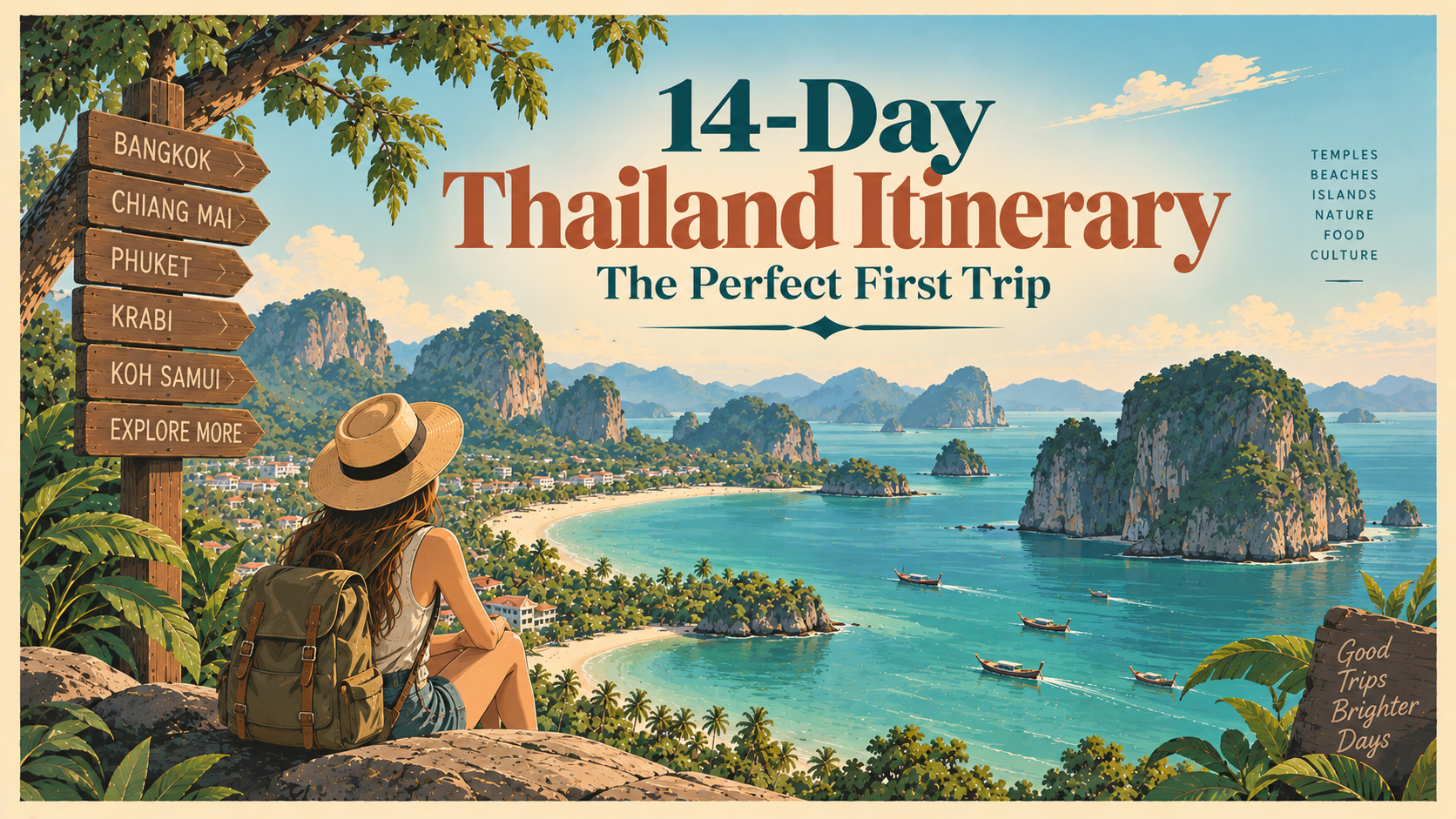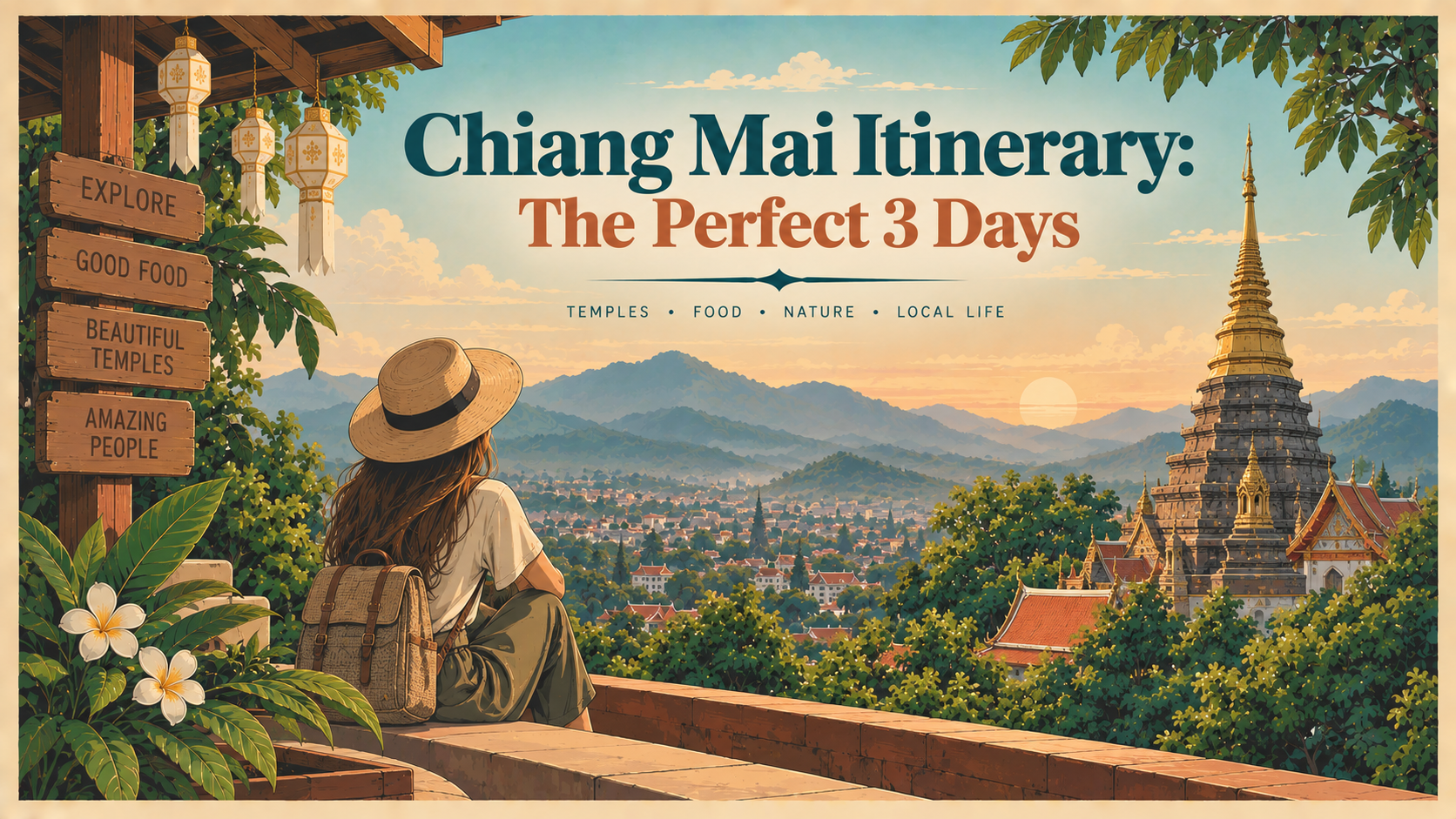
Why So Many Foreigners Are Moving to Thailand in 2026
Why Are So Many Foreigners Moving to Thailand in 2026?
For many people, Thailand starts as a holiday.
Then something happens.
A two-week trip becomes:
“Maybe I should stay another month.”
Then:
“Could I actually work from here?”
And eventually:
“Wait... how much is rent?”
Thailand has long attracted retirees, expats, and people looking for a different pace of life. But remote work has added a new group to the mix: digital nomads, freelancers, entrepreneurs, and professionals who are no longer tied to a traditional office.
In 2026, Thailand is actively positioning itself for longer-stay and higher-value international visitors, while destinations such as Bangkok, Chiang Mai, Phuket, and Koh Samui have developed strong international communities and infrastructure.
So what makes someone come to Thailand for a holiday and start wondering whether they could actually live here?
The answer is much bigger than beaches and cheap cocktails.
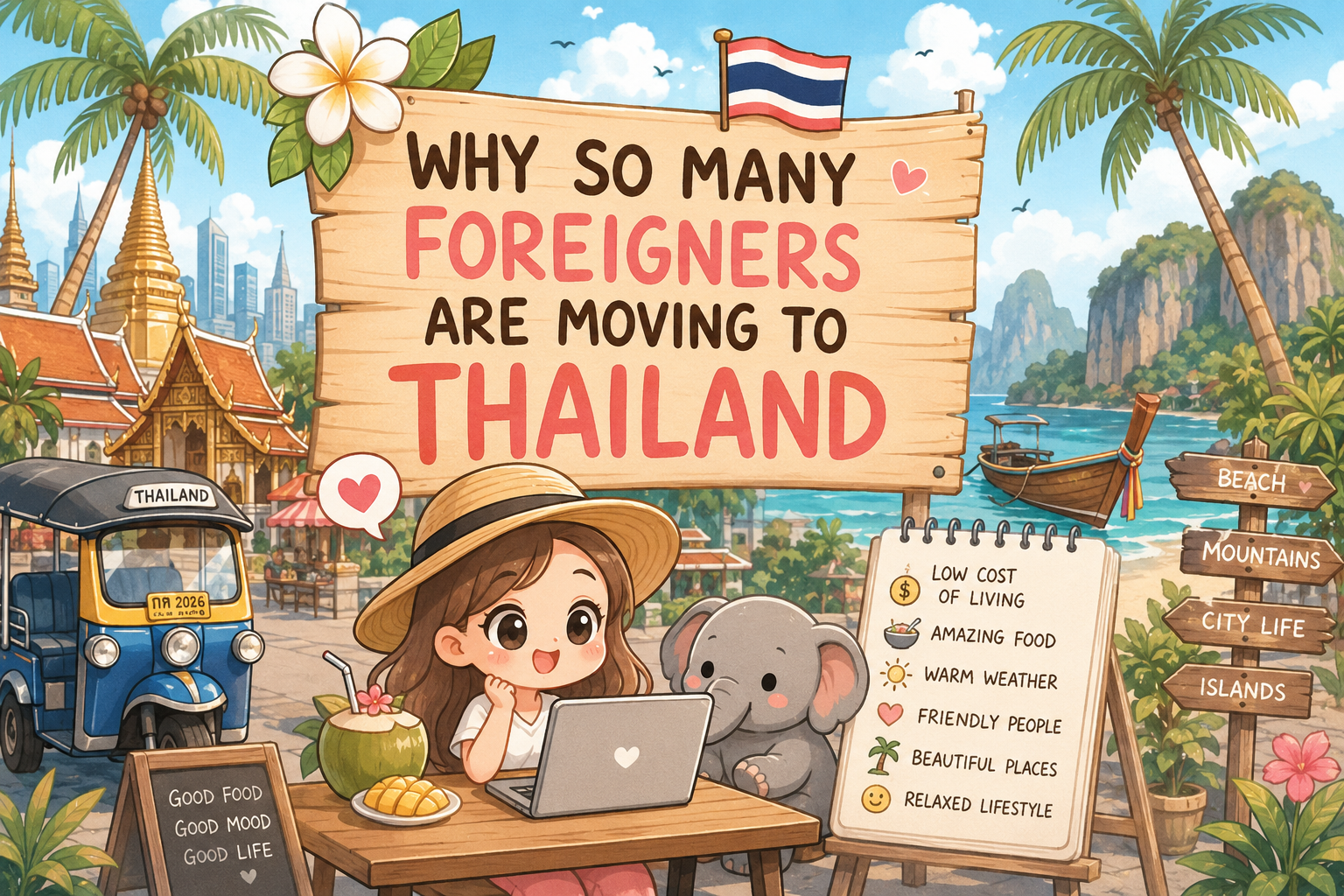
For millions of travelers, Thailand starts as a vacation.
Then something strange happens.
A two-week trip quietly mutates into:
“Maybe I should stay another month.”
Then:
“What if I worked remotely from here?”
And eventually:
“How much is rent again…?” 🌴
In 2026, more foreigners than ever are choosing to live in Thailand long-term. From digital nomads and retirees to entrepreneurs and remote workers, Thailand has transformed from a tourist destination into a global lifestyle hub.
But why?
What makes people leave countries across Europe, America, Australia, and beyond to build a new life here?
The answer is bigger than beaches and cheap cocktails.
1. The Cost of Living Can Still Be Attractive
Thailand isn't automatically cheap.
But depending on where and how you live, your money can stretch very differently here compared with many major cities around the world.
Local food, transportation, accommodation, gyms, cafés, and everyday services can remain relatively accessible, particularly when you live outside the most expensive tourist areas.
The important part is lifestyle.
Choose a simple apartment, eat local food regularly, and avoid treating every weekend like a luxury holiday, and Thailand can offer excellent value.
Choose a beachfront villa, imported groceries, international restaurants, private transportation, and regular nights at beach clubs, and Thailand can become expensive surprisingly quickly.
That's part of the appeal.
You don't necessarily have to live cheaply. You can choose
where you want to spend your money.
But Is Thailand Still Cheap in 2026?
See how food, accommodation, transportation, and everyday travel costs compare across Thailand.
2. Remote Work Changed the Game
A decade ago, moving to Thailand often meant finding a local job, starting a business, retiring, or having another specific reason to relocate.
Remote work changed that equation.
If your income isn't tied to a physical office, suddenly the question becomes:
Why does your laptop need to be in the same country as your company?
Thailand already has many of the things remote workers look for:
- Reliable internet in major destinations
- Cafés and coworking spaces
- Modern accommodation
- International communities
- Major airports and regional connections
- Food and delivery services
- Warm weather
- Plenty to do when the laptop closes
Bangkok offers big-city life and infrastructure.
Chiang Mai has a well-established remote-work scene.
Phuket combines international amenities with island living.
Koh Samui offers a smaller tropical community with an airport, services, beaches, cafés, and international facilities.
Thailand has also introduced immigration options aimed at workcation and remote-work travelers, including the Destination Thailand Visa (DTV). The official Thai e-Visa system currently lists DTV under “Workcation and Thai soft power related activities.”
Important: Living or working in Thailand legally depends on your individual visa, immigration status, and activities. Always check the current official requirements rather than assuming that remote work is automatically permitted under every type of entry.
3. Everyday Life Can Feel Completely Different
Not every reason for moving abroad fits neatly into a spreadsheet.
Sometimes people simply prefer the rhythm of everyday life somewhere else.
Thailand encourages outdoor living.
Morning coffee happens outside. Dinner might come from a market. Warm evenings make it easier to meet friends, walk around, exercise, swim, or simply spend more time away from home.
For someone coming from a country with long winters, expensive commuting, or a highly indoor lifestyle, that can feel like a significant change.
Of course
, living in Thailand isn't an endless holiday.
There are deadlines. There is traffic. There are tropical downpours. And somehow, laundry continues to exist even in paradise.
But the environment around ordinary life can feel very different.
4. Food Becomes Part of Everyday Life
Thai food isn't only something you experience at restaurants.
Live here long enough and food starts becoming part of the rhythm of your neighborhood.
You discover which stall sells Moo Ping in the morning.
Which tiny restaurant makes your favorite Pad Kra Pao.
Which market is best in the evening.
Which noodle shop inexplicably disappears every Wednesday.
Local restaurants and street food can also make eating outside the home more accessible than in places where restaurant meals have become an occasional luxury.
And if you want something different, Thailand's larger cities and tourist destinations have increasingly international food scenes.
Japanese, Korean, Italian, Indian, Middle Eastern, Scandinavian, vegan, specialty coffee, fine dining... it's all here.
You could eat Thai food every day.
You don't have to.
Although a suspicious amount of Pad Kra Pao tends to happen anyway.
5. Thailand Is More Convenient Than Many People Expect
Some first-time visitors expect moving to Thailand to mean sacrificing modern conveniences.
Then the delivery driver arrives with dinner while they're sitting in a modern condo using high-speed internet.
Depending on where you live, everyday life can include:
- Food and grocery delivery
- Ride-hailing services
- Modern shopping centers
- Private hospitals
- International schools
- Gyms and fitness centers
- Coworking spaces
- International supermarkets
- Domestic airports
- Modern condos and villas
Bangkok naturally offers the widest range of big-city conveniences, but substantial international communities and services have also developed in places such as Chiang Mai, Phuket and Koh Samui. Thailand's government specifically highlights infrastructure, connectivity, affordability and international amenities among the country's attractions for foreign residents.
You don't necessarily have to choose between tropical life and modern convenience.
In many parts of Thailand, you can have a surprisingly large amount of both.
6. Warm Weather Changes How You Live
Weather influences everyday life more than people sometimes realize.
For foreigners coming from long, cold winters, Thailand's tropical climate can completely change their routine.
Warm temperatures make it easier to build everyday life around:
- Swimming
- Outdoor exercise
- Beaches
- Cafés
- Evening markets
- Walking
- Outdoor dining
- Weekend trips
But tropical weather comes with its own trade-offs.
Thailand can be extremely hot and humid, and different regions experience rainy seasons at different times of year.
A sunny two-week holiday doesn't necessarily tell you what living through an entire year feels like.
Before moving, experience more than one season if you can.
What Is Thailand Like Throughout the Year?
Rainy seasons, temperatures, and ideal travel periods vary across the country.
7. You Can Choose Your Version of Thailand
One of Thailand's biggest advantages is that moving here doesn't mean choosing one particular lifestyle.
Bangkok
For people who want a major international city, public transportation, restaurants, nightlife, shopping, business opportunities, and almost endless convenience.
Chiang Mai
For those who prefer mountains, cafés, culture, a slower pace, and an established international and remote-work community.
Phuket
For travelers who want island living without giving up extensive international infrastructure, restaurants, schools, shopping, and entertainment.
Koh Samui
For people looking for a smaller island lifestyle with beaches, international amenities, an airport, restaurants, schools, and an established foreign community.
And those are only the obvious choices.
Hua Hin, Pattaya, Chiang Rai, Khon Kaen, Udon Thani and many smaller destinations offer completely different versions of life in Thailand. Several of these are also being highlighted as alternatives for foreign long-stay residents.
You don't simply choose whether to live in Thailand.
You choose which Thailand fits you.
8. Thailand Is a Great Base for Exploring Asia
Thailand's location is another advantage that's easy to overlook.
Bangkok is one of Southeast Asia's major aviation hubs, putting much of the region within relatively easy reach.
Vietnam, Malaysia, Singapore, Cambodia, Laos, Indonesia and other destinations can become realistic options for shorter regional trips.
And you don't even need to leave Thailand to find completely different landscapes.
Fly north for mountains.
Head south for islands.
Spend a weekend in Bangkok.
Visit historic cities, national parks, quiet provinces, beaches, jungles, and small towns.
Living in Thailand can make travel feel less like one enormous annual event and more like something you can weave into everyday life.
But Is Moving to Thailand Really That Easy?
Here's where the tropical daydream meets paperwork.
Living in Thailand and holidaying in Thailand are very different things.
Before relocating, you'll need to think seriously about:
- Your visa and immigration status
- Whether your work is legally permitted
- Taxes and potential tax residency
- Health insurance and healthcare
- Long-term accommodation
- Banking and finances
- Transportation
- Language barriers
- Cultural differences
- Schooling if you're moving with children
- Seasonal weather
- Distance from family and friends
Thailand's immigration rules also change. In fact, Thailand approved substantial revisions to its visa-exemption and Visa on Arrival schemes in May 2026, which is a good example of why old blog posts and social-media advice shouldn't be treated as permanent rules.
If you're seriously considering moving, verify current requirements through official Thai authorities before making decisions.
Visit Thailand Before You Decide to Live Here
This might be the most useful advice in the entire article:
Don't choose your future home based on your holiday.
Spend enough time somewhere to experience normal life.
Work a normal week. Buy groceries. Deal with traffic. Experience heavy rain.
Try getting around without behaving like a tourist. Track what you actually spend. Stay somewhere other than a resort.
And if you're choosing between Bangkok, Chiang Mai, Phuket, Koh Samui or somewhere else, spend meaningful time in each place before deciding.
The best place to spend two weeks isn't necessarily the best place to spend two years.
Which Part of Thailand Fits You Best?
From Bangkok and mountain destinations to tropical islands and quieter escapes, explore different parts of the country before deciding where you'd want to spend more time.
Why Do So Many Foreigners Stay?
Thailand isn't perfect.
Long-term residents encounter bureaucracy, traffic, language barriers, cultural differences, immigration requirements, tropical heat, rainy seasons, and plenty of ordinary frustrations that aren't visible in holiday photos.
But for many people, the trade-offs are worth it.
Maybe it's being able to eat incredible local food on an ordinary Tuesday.
Maybe it's finishing work and being close to the ocean.
Maybe it's warm evenings.
Maybe it's the ability to choose between city life, mountains, and islands without leaving the country.
Or maybe living somewhere new simply forces you to reconsider what you actually want everyday life to look like.
For some people, Thailand remains an unforgettable place to visit.
For others, somewhere between the morning coffee, tropical rain, neighborhood food stalls, laptop sessions, island sunsets, and late-night noodles, something changes.
Thailand stops feeling like somewhere they're visiting.
It starts feeling like somewhere they could stay.
Make sure you are prepared
Discover Everything Koh Samui Has to Offer
Koh Samui is far more than just beautiful beaches, it’s a complete island experience. From world-class restaurants and local street food to exciting tours, vibrant nightlife, peaceful retreats, and unique cultural attractions, Samui has something for every traveler.
Whether you’re here to relax, explore, invest, or even relocate, you’ll find trusted businesses, hand-picked experiences, and insider tips right here on My Visit Thailand.

Restaurants in Samui
Find the best restaurants in Koh Samui

Nightlife in Koh Samui
Discover Koh Samui's vibrant nightlife

Tours in Koh Samui
Discover the best tours in Koh Samui
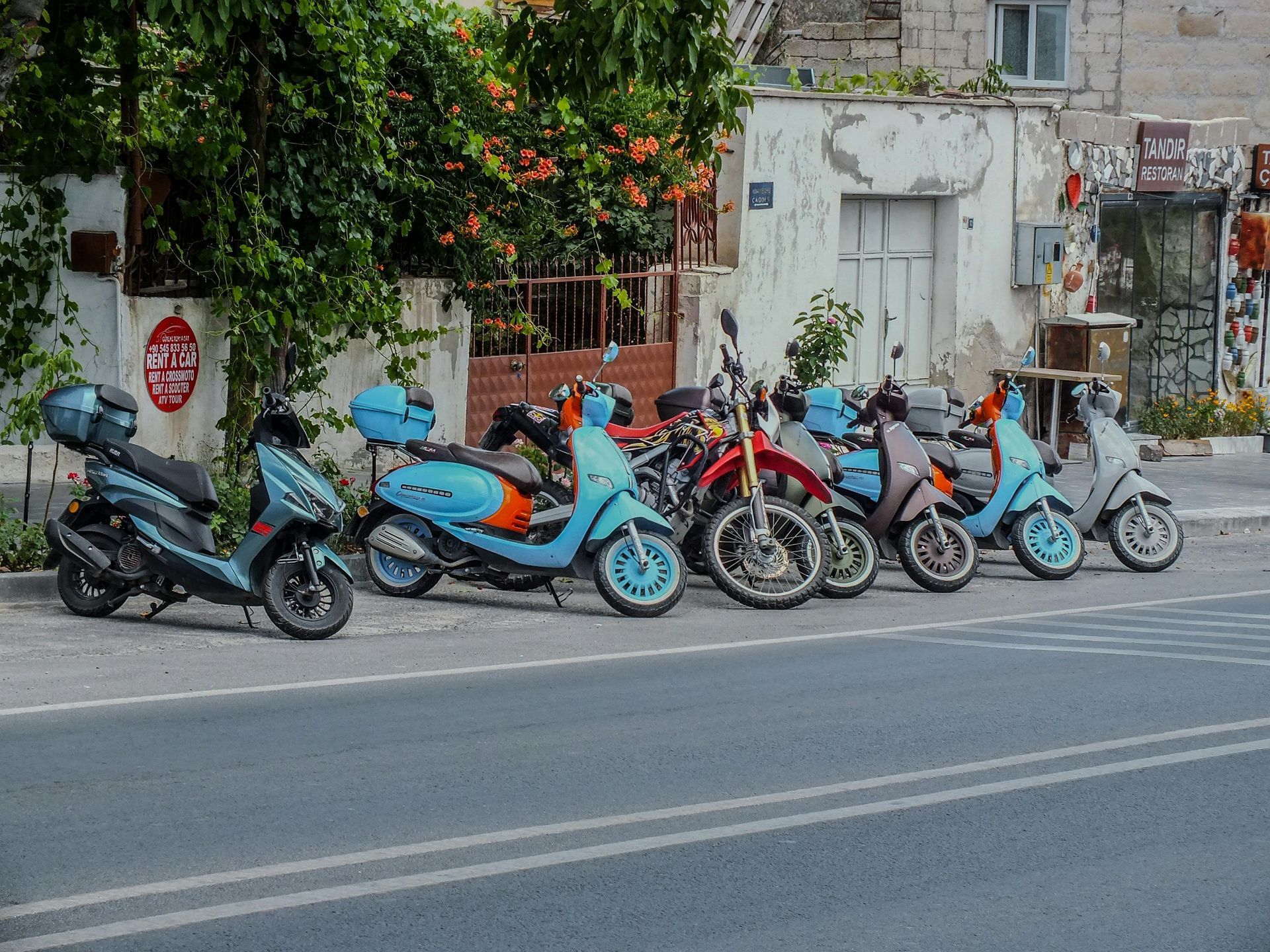
Car/Motorbike rentals
Find car and motorbike rentals in Koh Samui